Why Seaview's Median Home Price Doesn't Mean What You Think
August 13, 2026
August 13, 2026
A lot for sale near the Alaska Junction end of Seaview recently carried an unusual selling point in its listing description. The copy pointed out that the property sat on what it called the western edge of the new upzone, with the existing house on the parcel able to generate rental income until an owner is ready to build something larger. A few blocks west, toward the water, houses on quiet dead-end streets were listed the old-fashioned way, with original hardwood floors and fenced backyards as the draw. Both properties carry the same neighborhood name. As of this year, they do not carry the same rules.
That split, and the confusion it creates around Seaview's headline price numbers, is the story most buyers comparing West Seattle micro-neighborhoods never get told. If you have already looked up Seaview on a home search site, you have seen a median price. What you probably have not seen is how unstable that number actually is, or why a zoning change that took effect this January means the number itself may not describe the block you are actually considering.
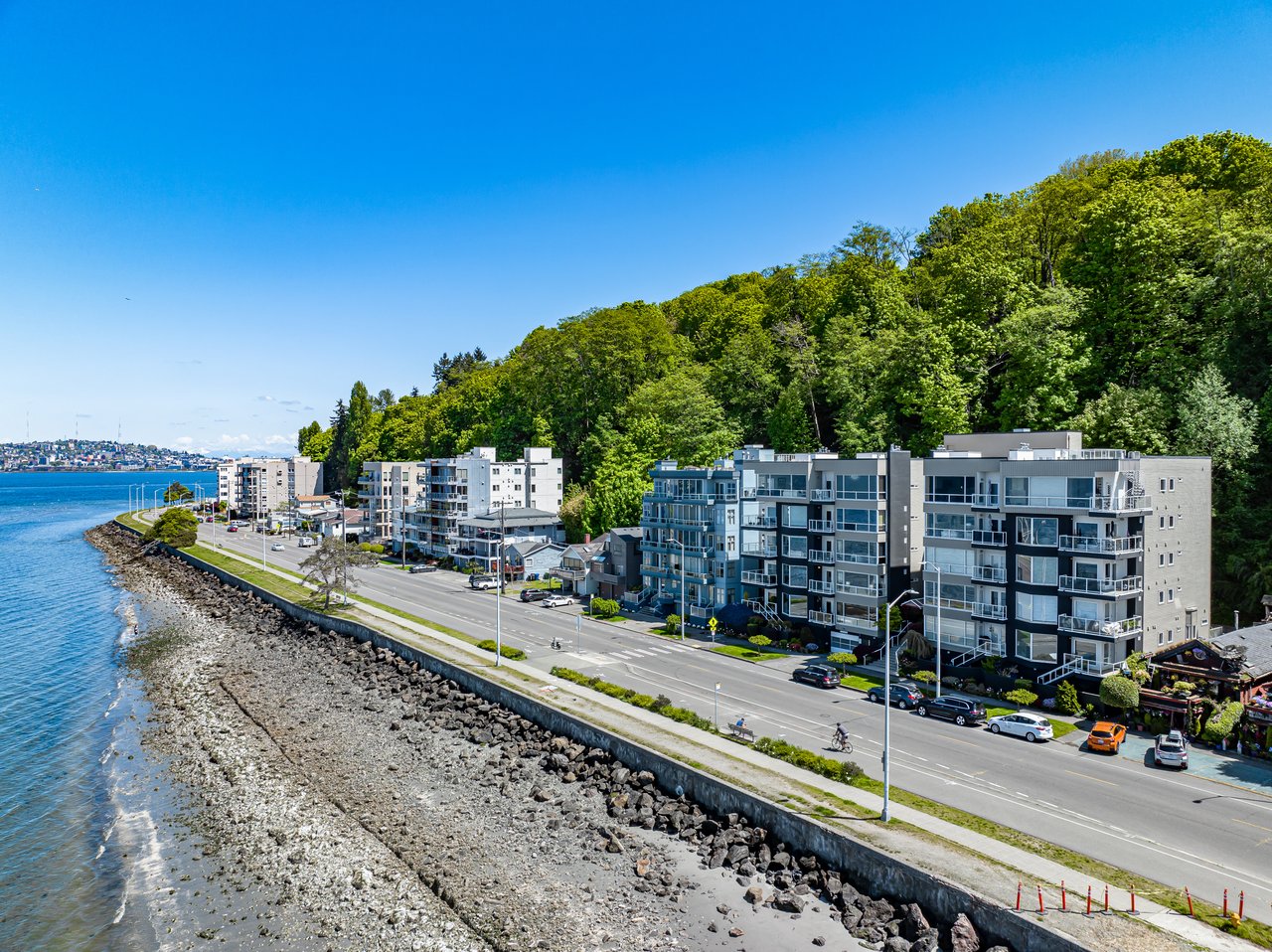
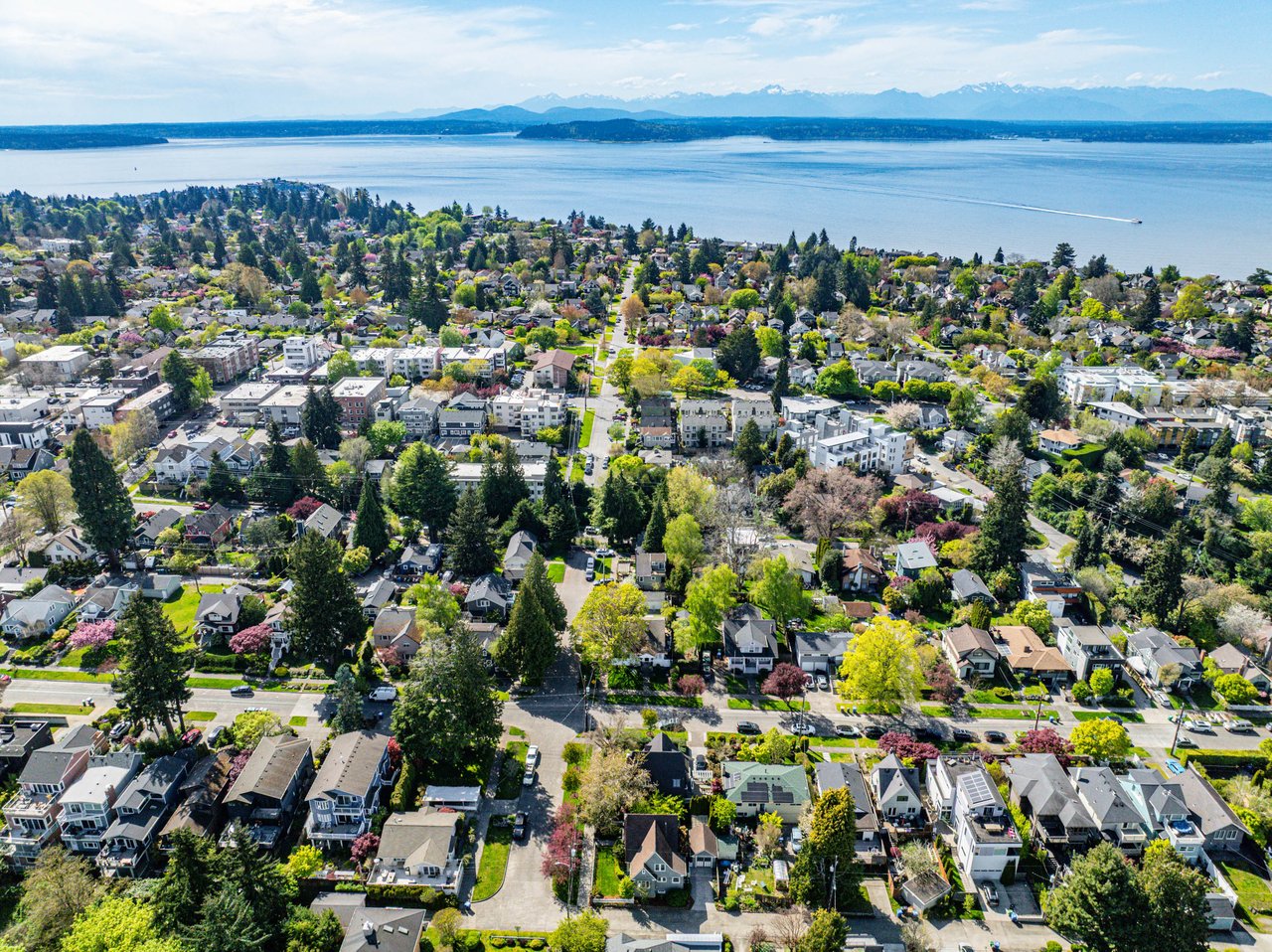
Seaview sits between the Alaska Junction and Fauntleroy, north of Fauntleroy Way SW and west of California Ave SW, a flat and walkable pocket of West Seattle known more for its quiet under-the-radar bluff views than for drama. The price data tells a different story.
One home search site's own Seaview neighborhood page reported that in January 2026, home prices were up 27.5 percent compared to the year before, with a median sale price of $944,000. That figure was built on 18 homes sold that month, up from 11 the year prior. On the same page, a separate line reported the average Seaview house price at $620,000, down 36.7 percent from the prior year. Two statistics, same neighborhood page, pointing in opposite directions.
Another major listing portal shows a trailing 12-month median of $960,750, down 2 percent, while a sub-page on the same site focused on townhomes puts the trailing 12-month median at $977,502, down 3 percent. A third portal's Seaview page reported a median list price of $449,000 with homes spending an average of 4,047 days on the market, numbers so far outside plausible range that they read as a data error rather than a market signal.
None of this means the sources are dishonest. It means Seaview is a small enough market that its statistics behave like a small sample, because that is exactly what they are.
A neighborhood that sells 15 to 20 homes in a typical month does not have enough transactions to smooth out an outlier. Sell one new-construction home with mountain views for $1.4 million and a handful of older Craftsman bungalows in the $700,000s in the same 30-day window, and the median jumps or drops by tens of thousands of dollars depending purely on which five or six closings happened to land in that stretch. Add a single fixer-upper lot sale or one waterfront property and the swing gets larger still. This is not a Seaview problem specifically. It is what happens in any market small enough that individual sales, rather than trends, decide the headline number.
Compare that to a larger market. King County's median sale price in July 2026 was $879,500, according to the Northwest Multiple Listing Service's monthly report, a market built on 2,022 closed sales that single month. Statewide, NWMLS reported a median of $640,000 for July 2026 across 6,649 closed transactions, down just 1.5 percent from July 2025's $650,000. When a market has thousands of transactions behind its median, one unusual sale gets absorbed. When a market has eighteen, that one sale is the median.
The practical takeaway for a buyer comparing Seaview to a neighboring pocket of West Seattle is straightforward: stop treating a single month's median as a verdict on the neighborhood. Ask how many homes actually sold to build that number, and look at trailing 12-month figures rather than a single snapshot, because a month with two outlier closings will look nothing like the month before or after it.
The second piece of Seaview's pricing story has nothing to do with sample size and everything to do with a zoning change most listing descriptions have not caught up to yet.
Seattle City Council adopted the final One Seattle Plan Comprehensive Plan update on December 16, 2025, with the legislation taking effect January 21, 2026. The update, part of the city's broader Centers and Corridors strategy, expanded density along transit and commercial corridors citywide, with the The Urbanist reporting that LR3 zoning, which allows buildings up to five stories, became the most common designation applied along those rezoned corridors, including expansions to the Admiral District and Morgan District urban centers that border Seaview to the north and south.
That is the zoning the Alaska Junction-area lot referenced when its listing pointed to sitting on the edge of the new upzone. The California Ave-facing streets that connect Seaview to the Alaska and Morgan junctions now fall inside a corridor built for redevelopment. The interior blocks and water-facing streets toward Beach Drive and Lincoln Park do not sit inside that corridor. They fall under the city's updated Neighborhood Residential zoning, which, following the state's middle housing law, now permits smaller-scale additions such as fourplexes rather than the multi-story buildings allowed along the corridor.
Two homes a few blocks apart, both marketed as Seaview, now sit on fundamentally different development tracks.
| Location within Seaview | Zoning as of January 21, 2026 | What it allows |
|---|---|---|
| Blocks fronting California Ave near the Alaska Junction and Morgan Junction corridors | LR3 | Multi-story buildings up to five stories, per the city's published zoning maps |
| Interior blocks and streets toward the water, including areas near Beach Drive | Neighborhood Residential (post-HB 1110) | Smaller-scale middle housing such as fourplexes |
This matters for more than curiosity. A parcel inside the LR3 corridor carries different redevelopment value, different comparable sales, and potentially a different appraisal and property tax trajectory than a similar-sized home two streets over that remains under Neighborhood Residential rules. Comparing the two on price per square foot alone, without checking which side of the line each one sits on, means comparing two different kinds of real estate that happen to share a neighborhood label.
None of this is a reason to avoid Seaview. The same qualities that made it a quiet, walkable alternative to the busier Alaska Junction core, easy proximity to Lincoln Park and Lowman Beach Park, a short stretch to the Fauntleroy ferry, and a handful of long-running local spots along California Ave, remain true regardless of which statistic you're looking at. It is a reason to look past the single number a portal hands you.
A few practical steps for anyone weighing Seaview against a neighboring West Seattle pocket:
Does Seaview's reported median mean my home is worth that amount? Not on its own. With a market this size, a single month's median can be built on as few as a dozen or two sales, which means one unusually priced closing can move the number by a wide margin in either direction. A comparable-sales analysis on your specific block will tell you far more than the neighborhood-wide figure.
How do I find out if a specific Seaview address falls inside the new upzone? The city's zoning map tool linked above lets you search by address and see the current designation directly, which is more reliable than relying on a listing description to mention it.
Is now a good time to buy in Seaview? That depends heavily on which block, what the parcel's zoning allows, and how many comparable sales actually support the price being asked, which is exactly the kind of parcel-level read a single market statistic cannot give you.
Seaview rewards buyers who look past the first number they see. If you're weighing this pocket of West Seattle against Gatewood, North Admiral, or another nearby neighborhood, and want someone to walk through the actual comparable sales and zoning on a specific address rather than a neighborhood-wide average, The City Team can put that together with you.
Stay up to date on the latest real estate trends.
West Seattle Lifestyle; Seattle Neighborhoods; Local Events
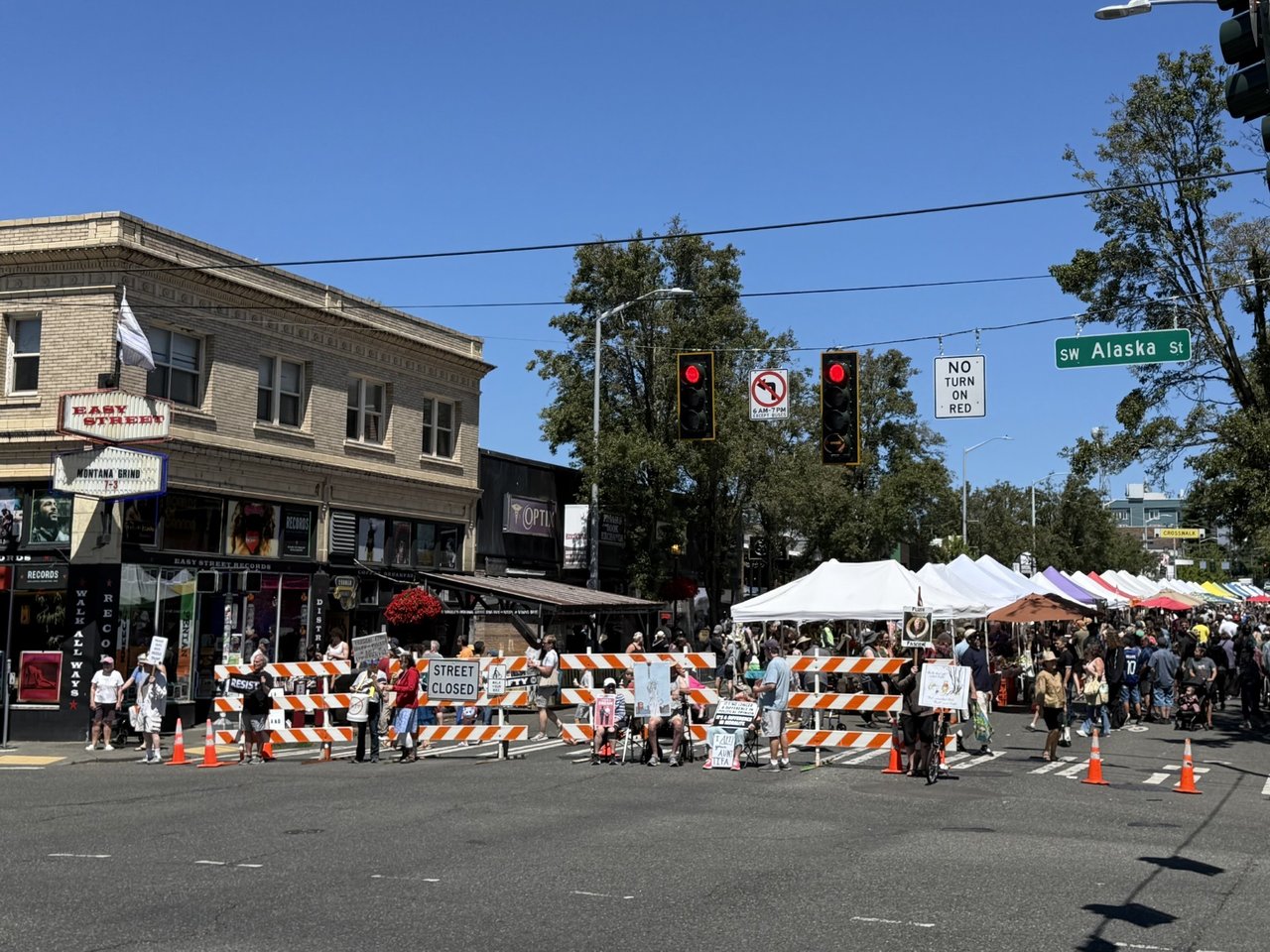
Your local guide to Sunday market finds, Lady Jaye treats, the Sweet Stroll, Art Walk, Wine Walk, and West Seattle Art Tour.
West Seattle, Seaview, West Seattle Neighborhoods, Seattle Real Estate, Neighborhood Guides, West Seattle Homes, Home Buying Tips, Home Selling Tips
Living in Seaview, West Seattle | Walkability, Parks, Views & Homes
Condos
Fannie Mae and Freddie Mac’s new 15% reserve standard could affect HOA dues, conventional financing, condo values, and buyer demand across West Seattle.
West Seattle Real Estate Market Update
Summer trends for West Seattle homes and condos, including pricing, buyer demand, neighborhood insights, and what sellers should know.
We pride ourselves on providing personalized solutions that bring our clients closer to their dream properties and enhance their long-term wealth. Contact us today to discuss all your real estate needs!
The City Team
Beth Britt
(206) 854-4589
[email protected]
Jonn Mcynturff
(206) 227-2772
[email protected]
4445 California Ave SW Seattle WA 98116