The West Seattle Light Rail Station Moved. Most Buyer Guides Haven't Caught Up.
August 27, 2026
August 27, 2026
If you've spent any time comparing West Seattle to other Seattle neighborhoods, you've likely read some version of this sentence: buy near the future Alaska Junction station now, because light rail arrives in 2032 and prices near transit tend to climb as opening day approaches. It's a reasonable-sounding piece of advice. It's also built on two facts that stopped being true this year.
Sound Transit pushed the West Seattle Link Extension's opening back to 2035 in an update issued this August, and the Alaska Junction station itself physically moved this spring. Not on a rendering somewhere in a planning document nobody reads, but in the actual design that the Sound Transit Board is now funding for final construction. If you're weighing a purchase in West Seattle against a Ballard corridor property partly on the strength of "walk to the future train," the map you're picturing may no longer match the one being built.
The story moves fast, so here's the sequence. In March 2026, Sound Transit staff briefed the Seattle City Council's Transportation Committee on a cost-savings package that would avoid demolishing Jefferson Square, the shopping center that anchors the Alaska Junction, along with the roughly 40 businesses inside it. Commercial Director Jason Hampton told the committee the property "would not need to be affected" under the revised plan.
By April, the plan had firmed up. At an April 1 briefing, Sound Transit's Jason Hampton described the redesigned Alaska Junction station as sitting at about 35 feet deep, roughly half the original 65 to 70 feet, moved one block east and north of its earlier footprint, and reworked to allow direct-to-platform access from a single stair or escalator run instead of the deeper, multi-level descent in the original design. A follow-up briefing to the West Seattle Chamber a week later put the same change at roughly 20 feet shallower, a sign the design was still being refined even as the broad strokes held. The changes also spared the West Seattle Health Club and rerouted the Delridge alignment to cross Longfellow Creek in a pipe rather than an open channel.
The Sound Transit Board made it official on May 28, 2026, adopting an updated ST3 System Plan that dropped the previously planned Avalon Station entirely and locked in the Junction redesign. Then came August. In a summer update, Sound Transit confirmed that reviewing the Duwamish River crossing's complexity had added two to three years to the construction schedule, independently verified by a third-party review. The new target for revenue service: 2035, not 2032.
At a community forum this spring, one resident's reaction, posted to the West Seattle Blog, captured the neighborhood's relief at what got spared:
"So Avalon dropped, health club saved, Jefferson Square saved, tunnel to Junction, minimal property acquisitions... Everyone wins."
Another commenter put it more specifically, celebrating that "even Nikko Teriyaki" would keep its lease inside Jefferson Square under the new alignment.
Here's why this matters if you're comparing neighborhoods rather than just reading headlines. A five-minute walk to a train platform is a genuine amenity that shows up in how a block feels to live on, whether that's evening foot traffic, retail vacancy, or simply how often you'd actually use the thing. But a five-minute walk only exists relative to where the platform is.
The original Alaska Junction station design sat deeper in the ground, at 65 to 70 feet, with a more complex descent. The version now moving toward construction sits at roughly 35 feet, shifted a block from where earlier renderings placed it, specifically to route around Jefferson Square rather than through it. If you looked at a walkability map built on the pre-2026 alignment, the blocks it flagged as "station-adjacent" are not quite the same blocks that will actually sit closest to an entrance once this gets built.
This isn't a reason to distrust every walkability claim about West Seattle. It's a reason to ask which version of the station plan a given claim is based on, and to treat "near the future station" as something worth verifying against the current design rather than assuming it's settled.
Here's what changed between the plan most older content is still describing and the one the Sound Transit Board actually funded this year:
| Earlier plan | Plan approved in 2026 | |
|---|---|---|
| Alaska Junction station depth | 65 to 70 feet | Roughly 35 feet |
| Station access | Multi-level descent | Single elevator or stair run to platform |
| Avalon Station | Included | Dropped from the plan |
| Jefferson Square | Slated for acquisition, staging, or demolition | Preserved |
| Target opening | 2032 | 2035 |
The timeline shift deserves its own beat, separate from the station design, because it changes a different kind of math. If you're weighing a property purchase partly around the idea that transit access will be live in six or seven years, that's a materially different hold period than nine years out. Coverage of the August schedule update put it plainly: the peninsula is looking at close to a decade before the first train actually runs.
None of this means the extension is at risk of cancellation. The Sound Transit Board's May vote actually locked in funding to move the project into final design and property acquisition, and board member Teresa Mosqueda described the plan as "shovel ready." What changed is the pace, not the destination. For a buyer, that's a reason to treat any transit-driven appreciation story as a long game rather than a near-term catalyst, and to weigh a West Seattle purchase primarily on what the neighborhood already offers today rather than on a still-distant train.
West Seattle's fundamentals haven't waited on Sound Transit's timeline, and they shouldn't be the reason you buy or don't. The peninsula's mix of Craftsman and Tudor housing stock, walkable retail at the Junction and in pockets like North Admiral, and water proximity along Alki and Beach Drive are already priced into what you'll pay today. Market activity stayed brisk through the spring, with West Seattle homes fielding an average of three offers and typically finding buyers in around 8 days over the three months ending in May 2026.
If a light rail premium is baked into a specific listing's price, ask which timeline that premium assumes. A seller or a listing agent citing 2032 is working from an outdated number. A more grounded conversation starts from 2035, and from the station footprint Sound Transit actually approved this spring rather than an earlier rendering.
None of this is a reason to avoid the neighborhood. It's a reason to ask sharper questions before you decide how much of your decision should rest on a train that's still nine years out.
Will construction disrupt daily life around the Junction before 2035? Property acquisition and early construction planning are the current phase, with major construction contracts expected in 2027. Disruption at street level is more likely to intensify as that phase begins than during today's design and acquisition work.
Is Jefferson Square being torn down? Not under the plan the Sound Transit Board approved this year. The redesign specifically routes the station to avoid acquiring or demolishing the property, preserving the businesses inside it, including longstanding tenants like Nikko Teriyaki.
Should I wait to buy until the station is closer to opening? That depends on what you're weighing the decision against. If transit access nine years from now is central to your plan, factor the 2035 timeline into your math directly rather than relying on older estimates. If you're drawn to West Seattle for the housing stock, the walkability that already exists, or the water access, those aren't waiting on Sound Transit either.
If you're trying to sort out which West Seattle blocks make sense for your particular plans, whether that's proximity to the Junction as it's now designed, a quieter street a few blocks off California Ave SW, or a view property that has nothing to do with transit at all, that's exactly the kind of local read The City Team works through with clients every week. Schedule a consultation and we'll walk the current map with you, not the one from three years ago.
Stay up to date on the latest real estate trends.
West Seattle Lifestyle; Seattle Neighborhoods; Local Events
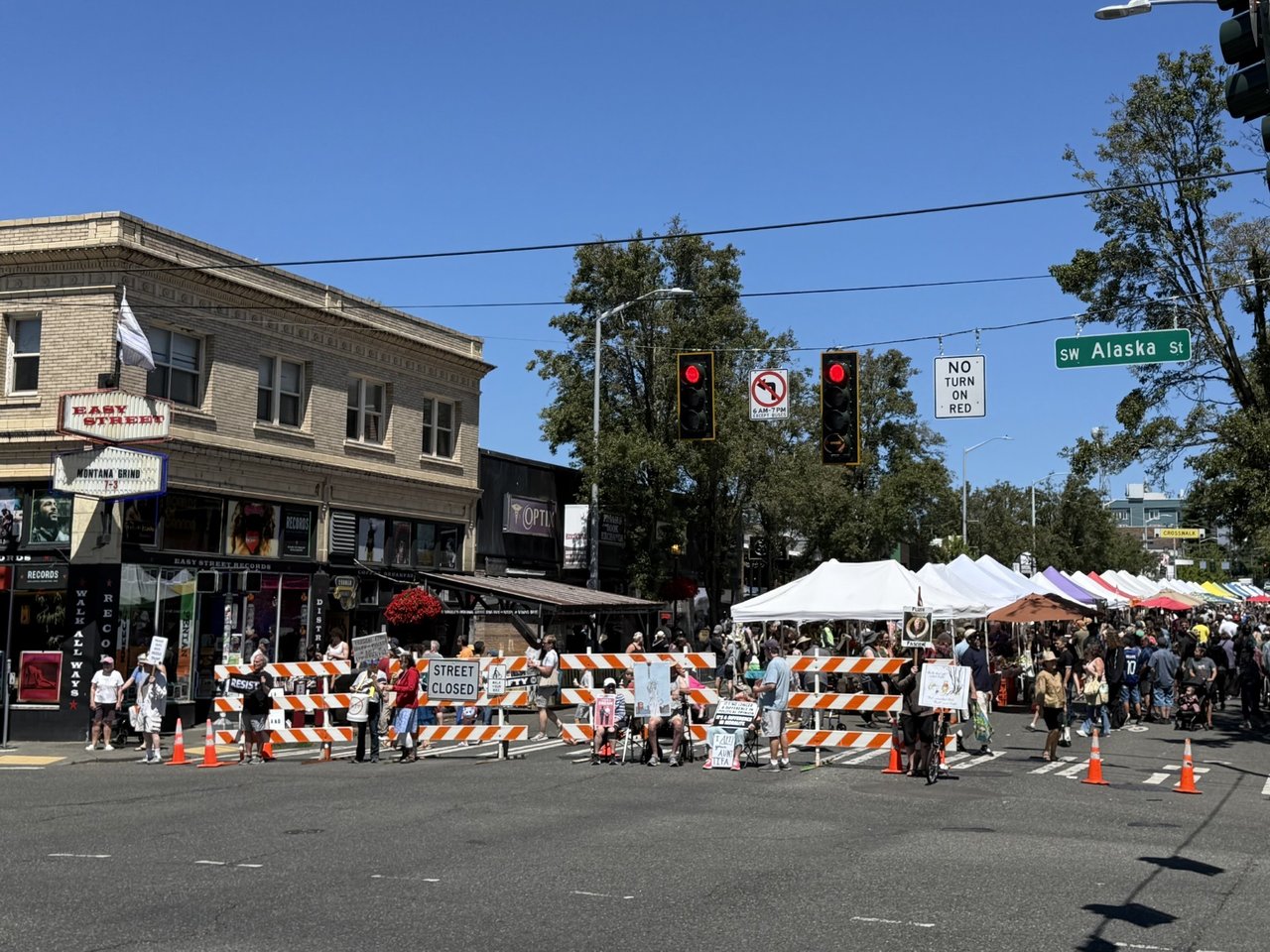
Your local guide to Sunday market finds, Lady Jaye treats, the Sweet Stroll, Art Walk, Wine Walk, and West Seattle Art Tour.
West Seattle, Seaview, West Seattle Neighborhoods, Seattle Real Estate, Neighborhood Guides, West Seattle Homes, Home Buying Tips, Home Selling Tips
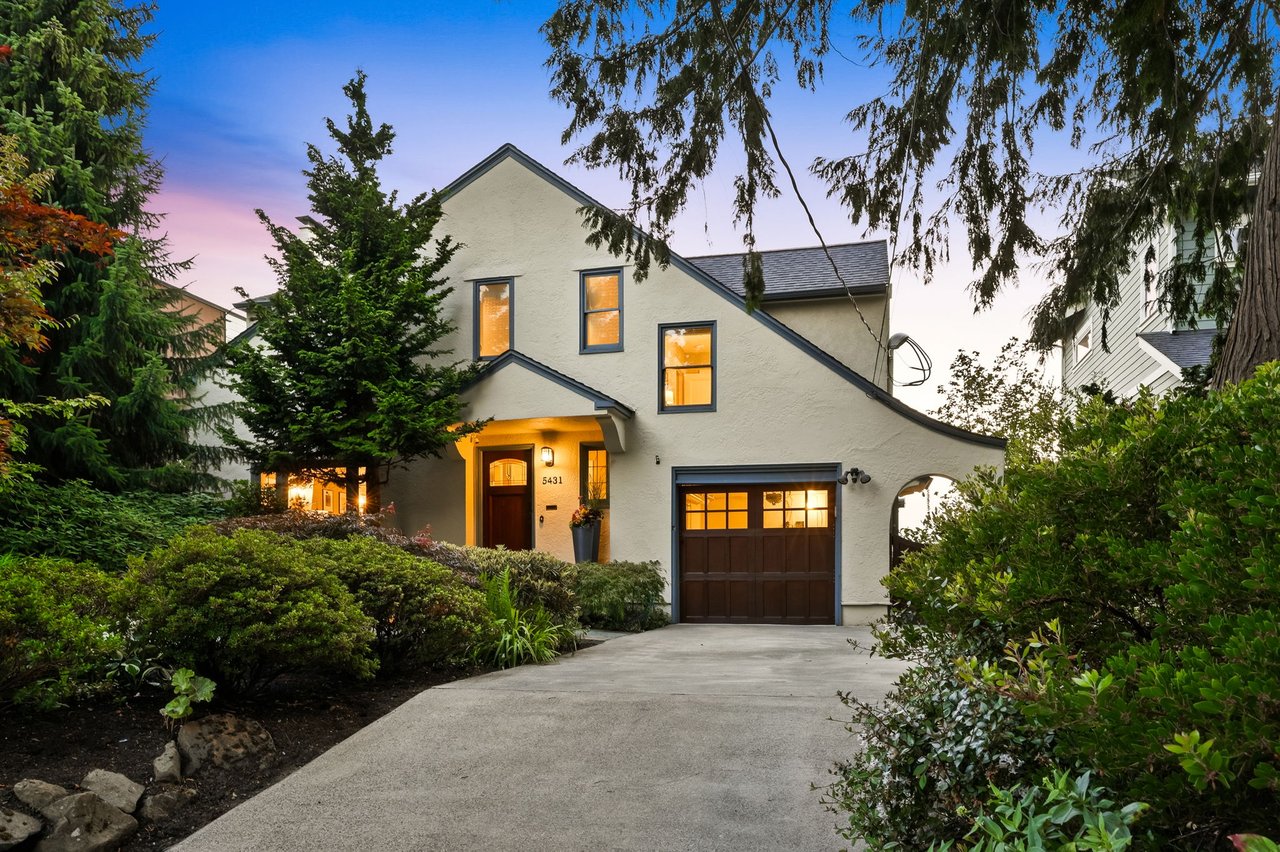
Living in Seaview, West Seattle | Walkability, Parks, Views & Homes
Condos
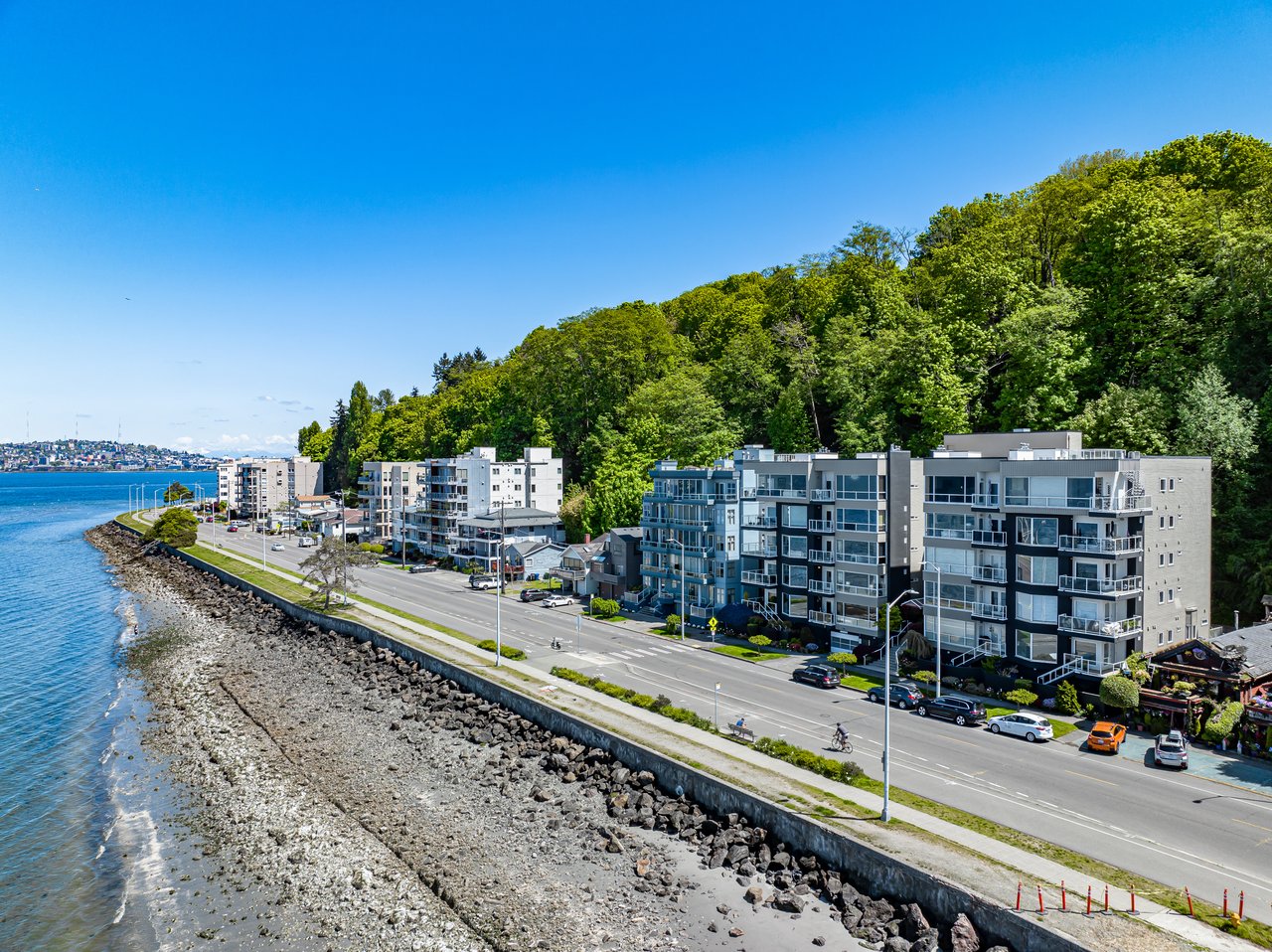
Fannie Mae and Freddie Mac’s new 15% reserve standard could affect HOA dues, conventional financing, condo values, and buyer demand across West Seattle.
West Seattle Real Estate Market Update
Summer trends for West Seattle homes and condos, including pricing, buyer demand, neighborhood insights, and what sellers should know.
We pride ourselves on providing personalized solutions that bring our clients closer to their dream properties and enhance their long-term wealth. Contact us today to discuss all your real estate needs!
The City Team
Beth Britt
(206) 854-4589
[email protected]
Jonn Mcynturff
(206) 227-2772
[email protected]
4445 California Ave SW Seattle WA 98116