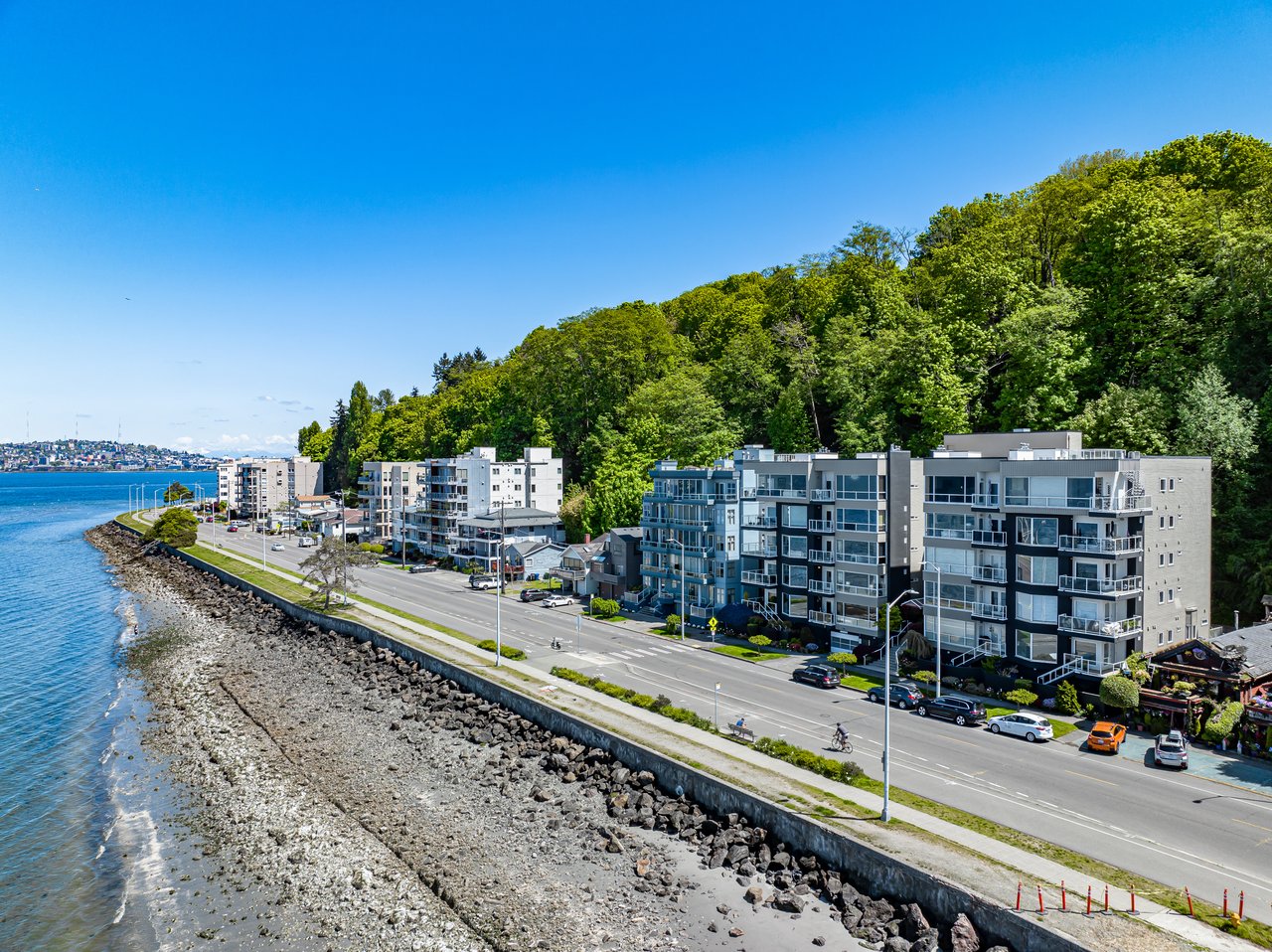
West Seattle Condo Financing Is Changing in 2027: What HOA Reserves Mean for Buyers and Sellers
Condos Beth Britt & Jonn McYnturff, The City Team - West Seattle Real Estate Experts August 20, 2026
Condos Beth Britt & Jonn McYnturff, The City Team - West Seattle Real Estate Experts August 20, 2026
For many West Seattle condo buyers, the view, walkability, layout, and monthly payment still lead the conversation. Beginning in 2027, though, an HOA’s financial planning may have an even more visible role in whether a buyer can obtain conventional financing—and, in turn, how easily a condo can be sold.
Fannie Mae and Freddie Mac are increasing the standard minimum reserve allocation for qualifying condominium projects from 10% to 15% of annual budgeted assessment income for applicable loan applications dated on or after January 4, 2027. Earlier, on August 3, 2026, the agencies retired their abbreviated Limited/Streamlined Review options for many established condominium transactions, leading to more comprehensive project review.
That does not mean every West Seattle condo is suddenly harder to finance. It does mean that buyers, sellers, HOA boards, and property managers should pay closer attention to reserve funding, reserve studies, insurance, deferred maintenance, and the association’s overall financial health.
A condominium association’s reserve account is money set aside for major future repairs and replacements. Depending on the building, that may include roofs, exterior work, elevators, plumbing systems, decks, paving, landscaping infrastructure, and other common elements.
Historically, a condo association generally needed to budget at least 10% of annual assessment income toward replacement reserves to meet the standard agency review requirement. For loan applications dated on or after January 4, 2027, that standard increases to 15%.
There is an important nuance: an association may have an alternative path if it has a reserve study conducted or updated within the prior three years and is funding reserves at the study’s highest recommended level. A lower baseline funding approach does not satisfy that exception.
At the same time, the end of Limited Review means more condo buyers will face a Full Review of the project unless the building qualifies for a waiver. Lenders may examine the association’s budget, reserves, insurance, delinquency levels, pending repairs, special assessments, and other project-level factors, not simply the borrower’s credit, income, and down payment.
West Seattle has a diverse condominium market. There are classic waterfront and view-oriented buildings along Alki, Harbor Avenue, and Beach Drive; walkable options around Alaska Junction and Admiral; smaller communities in Fairmount Park, Genesee, Seaview, Morgan Junction, and Fauntleroy; and more affordable condominium choices in Delridge, High Point, Highland Park, Roxbury, and Westwood.
Those buildings do not all face the same financial reality.
Some are newer and professionally managed. Others are smaller, older, lightly managed, or self-managed. Some associations have consistently funded reserves and updated their reserve studies. Others have kept dues low for years, sometimes because owners understandably resist increases, particularly in buildings with a larger group of owners on fixed incomes.
The problem is that low dues are not always a sign of a low-cost building. In some cases, they may signal that the association has postponed funding for work that is still coming.
That distinction matters because a buyer does not purchase a condo unit in isolation. They also buy into the financial obligations, maintenance plan, insurance structure, and decision-making of the condominium association.
Inflation has made this conversation more difficult. The cost of insurance, labor, maintenance, roofing, elevators, landscaping, materials, and major capital work has increased substantially in recent years. A reserve study that appeared adequate several years ago may no longer reflect current replacement costs.
Before the recent wave of inflation, many buildings could be considered reasonably funded even when their reserve accounts were roughly 30% to 50% funded for projected 30-year repairs, replacements, and maintenance. Today, many associations may be closer to 15% to 20% funded once updated costs are considered.
That does not automatically make those buildings poor investments. It does mean boards need to make thoughtful decisions sooner rather than later:
Increase dues gradually and build reserves over time.
Update a reserve study and follow its funding recommendations.
Address deferred maintenance before it becomes an emergency.
Communicate clearly with owners about the cost of doing nothing.
Keep financial records, insurance documents, meeting minutes, and project information organized for future buyers and lenders.
The difficult truth is that a well-intentioned board may need to raise dues. In the short term, higher monthly dues can make a unit less attractive to payment-sensitive buyers. Over the long term, however, a healthier reserve position may protect the building’s financeability and reduce the chance of a large surprise special assessment.
We recently represented a West Seattle condo where the association had maintained low dues for many years. A new group of owners joined the board, reviewed the financial condition of the building, and recognized that its reserve accounts were significantly underfunded.
The board did the responsible thing: it created a plan to increase dues substantially for a period of time and rebuild the reserves toward a healthier level.
That decision was good for the complex over the long term. But in the near term, it changed how buyers viewed the unit. Buyers still make decisions based heavily on total monthly payment. When HOA dues rise materially, many buyers adjust their target purchase price downward to keep the monthly cost within their comfort zone.
As a result, the unit attracted less activity than expected and sold for less than we felt the property otherwise deserved.
This is the central challenge for condo associations: waiting too long can make the eventual correction more painful. Gradual, well-communicated reserve funding is often easier for owners and future buyers to absorb than a sharp catch-up increase after years of underfunding.
“Warrantable” is the term commonly used for a condominium project that meets the eligibility standards required for conventional loans that can be sold to Fannie Mae or Freddie Mac.
If a project does not meet applicable standards, a buyer may still have financing options, but the choices can become more limited. Depending on the lender and project, buyers may need a portfolio loan, a larger down payment, more financial documentation, or may face less favorable terms.
That matters to sellers because conventional financing gives a listing access to a much broader pool of potential buyers. If traditional financing becomes difficult or unavailable, a condo may have to compete for cash buyers or buyers using specialized lending. A smaller buyer pool can affect both market time and value.
This is not a reason to panic or assume a building is non-warrantable simply because its reserves are below 15%. Every project and loan review is fact-specific, lenders may apply their own overlays, and a recent reserve study funded at the highest recommended level can be meaningful. Still, it is a strong reason for owners and boards to understand their building’s position well before a seller needs to accept an offer.
As of August 20, 2026, the current West Seattle condominium market shows a meaningful amount of buyer choice.
The active inventory spans from approximately $230,000 to $2.47 million, which reflects the range of West Seattle condo living, from entry-level units and smaller communities farther south to waterfront and view residences in Alki, Harbor Avenue, and Beach Drive.
The pending and pending-inspection activity tells a useful story: buyers are still purchasing West Seattle condos, including units at a wide range of price points. But with 64 active listings compared with 17 units under contract, buyers have choices and can be selective.
That makes the financial story behind a building increasingly important. A well-priced condo with clear HOA documents, credible reserve planning, adequate insurance, and no hidden financial surprises is in a better position to earn buyer confidence.
Before writing an offer, or as early as possible in the transaction, buyers should ask their agent and lender to help review:
The current HOA budget and the amount allocated to replacement reserves.
The most recent reserve study, including its date and funding recommendation.
Current reserve-account balances and whether major projects are anticipated.
HOA meeting minutes for discussion of repairs, assessments, disputes, or insurance issues.
Current or pending special assessments.
Master insurance coverage and deductible levels.
Owner delinquency levels and any significant litigation.
The condominium questionnaire and whether the lender expects a Full Review or qualifies the project for a waiver.
For a buyer considering an older Alki, Beach Drive, Admiral, or Alaska Junction building, this is particularly important. Older buildings can offer character, location, views, and larger floor plans that are difficult to duplicate in new construction. They can also carry a more immediate need for disciplined capital planning.
A low HOA payment should prompt questions, not necessarily celebration. Conversely, higher dues are not always a warning sign. They may reflect utilities, amenities, insurance, strong reserve contributions, or a board that is actively preparing for known future work.
Condo sellers should not wait for a buyer’s lender to discover an issue after mutual acceptance. Before listing, gather the documents a buyer and lender are likely to request.
A strong pre-listing package may include the current budget, financial statements, reserve study, master insurance declarations, meeting minutes, resale certificate materials, special-assessment information, and management contact details.
If your building has recently increased dues to strengthen reserves, that should be explained clearly and honestly. The goal is not to minimize the increase; it is to show buyers why it exists and what it is designed to accomplish.
A clear message may be: the association identified a need, adopted a funding plan, and is taking steps to protect the property over the long term. That can be a much stronger story than low dues paired with uncertainty about future repairs.
It may. Associations currently budgeting less than 15% of annual assessment income for reserves may need to increase dues, reallocate spending, or rely on a current qualifying reserve study and its highest recommended funding level. The impact will vary widely by building.
Not necessarily in the same way. The 15% figure is the standard budget-allocation threshold for applicable agency project reviews beginning with loan applications dated on or after January 4, 2027. A recent reserve study funded at the highest recommended level may offer an alternative path. Individual lenders can also apply their own requirements.
Yes, but financing options may be more limited. That can reduce the pool of qualified buyers, affect loan terms, lengthen the transaction, and potentially influence value.
No. Higher dues may reflect higher operating costs, increased insurance premiums, utilities, amenities, or responsible reserve funding. Buyers should evaluate what the dues cover, the association’s financial condition, and whether major work is already planned.
Yes. Early review can identify concerns before a buyer is under contract and makes it easier to answer buyer and lender questions quickly.
The upcoming reserve changes are ultimately about the long-term health of condominium buildings. For West Seattle owners, boards, and buyers, the practical takeaway is simple: the financial condition of the association is becoming as important as the finishes inside the unit.
A building with a realistic reserve plan, current documents, adequate insurance, and thoughtful governance may be better positioned for financing and resale—even if its dues are not the lowest on the market. A building that delays maintenance or avoids needed reserve funding may preserve lower dues temporarily, but it could face more difficult decisions later.
If you are considering buying or selling a West Seattle condo, The City Team can help you look beyond the listing photos and evaluate the questions that matter: monthly payment, HOA dues, reserve planning, upcoming work, buyer demand, and the building’s likely financing story. Financing requirements and lender overlays vary by transaction and project, so we also work with experienced lenders who can help evaluate a specific building early in the process.
Thinking about buying or selling a condo in West Seattle? The City Team can help you evaluate more than the unit itself—from HOA dues and reserve planning to buyer demand, financing considerations, and the building’s overall resale story. Reach out if you would like to talk through a specific condo, association, or upcoming sale.
Stay up to date on the latest real estate trends.
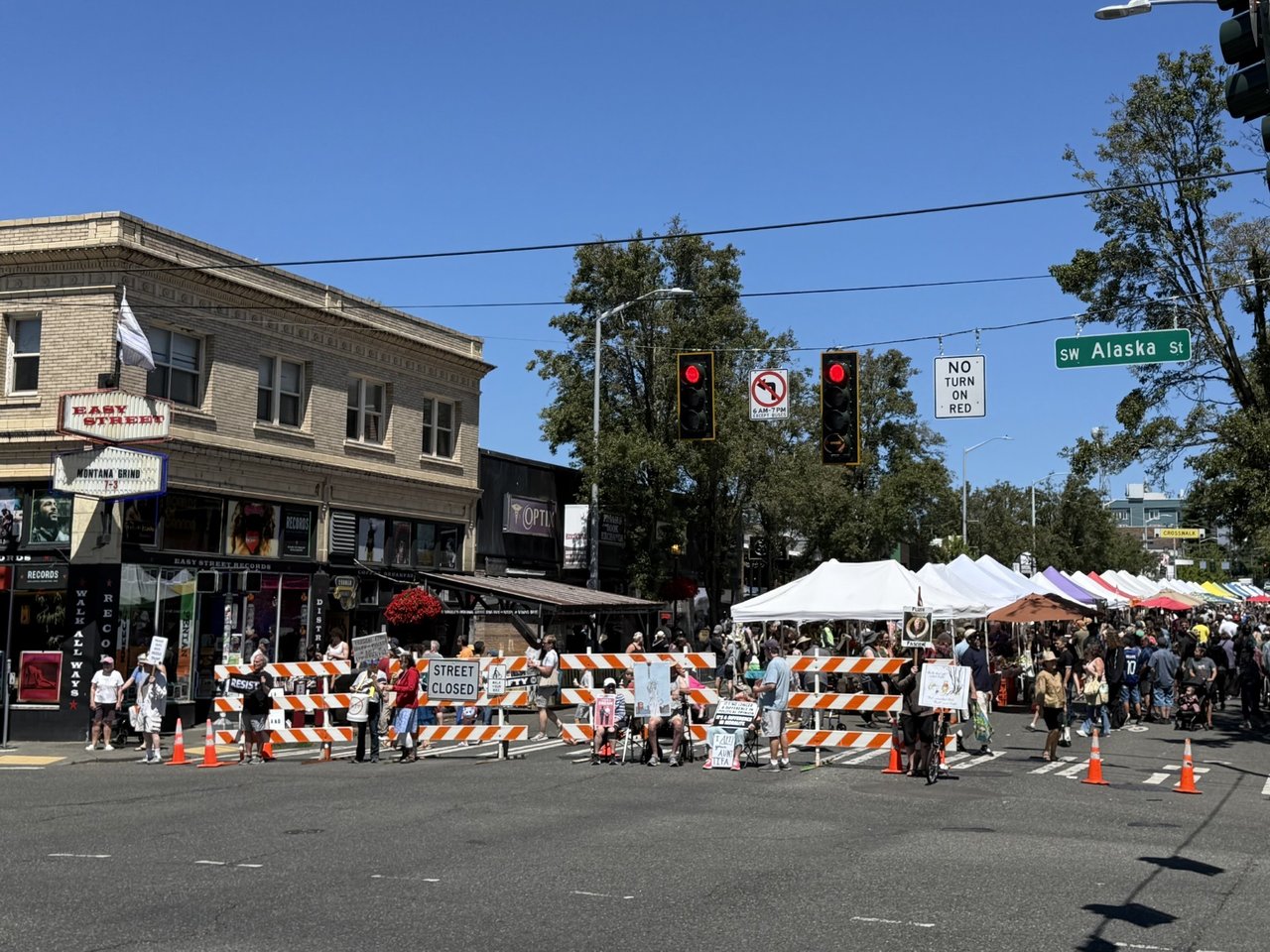
West Seattle Lifestyle; Seattle Neighborhoods; Local Events
Your local guide to Sunday market finds, Lady Jaye treats, the Sweet Stroll, Art Walk, Wine Walk, and West Seattle Art Tour.
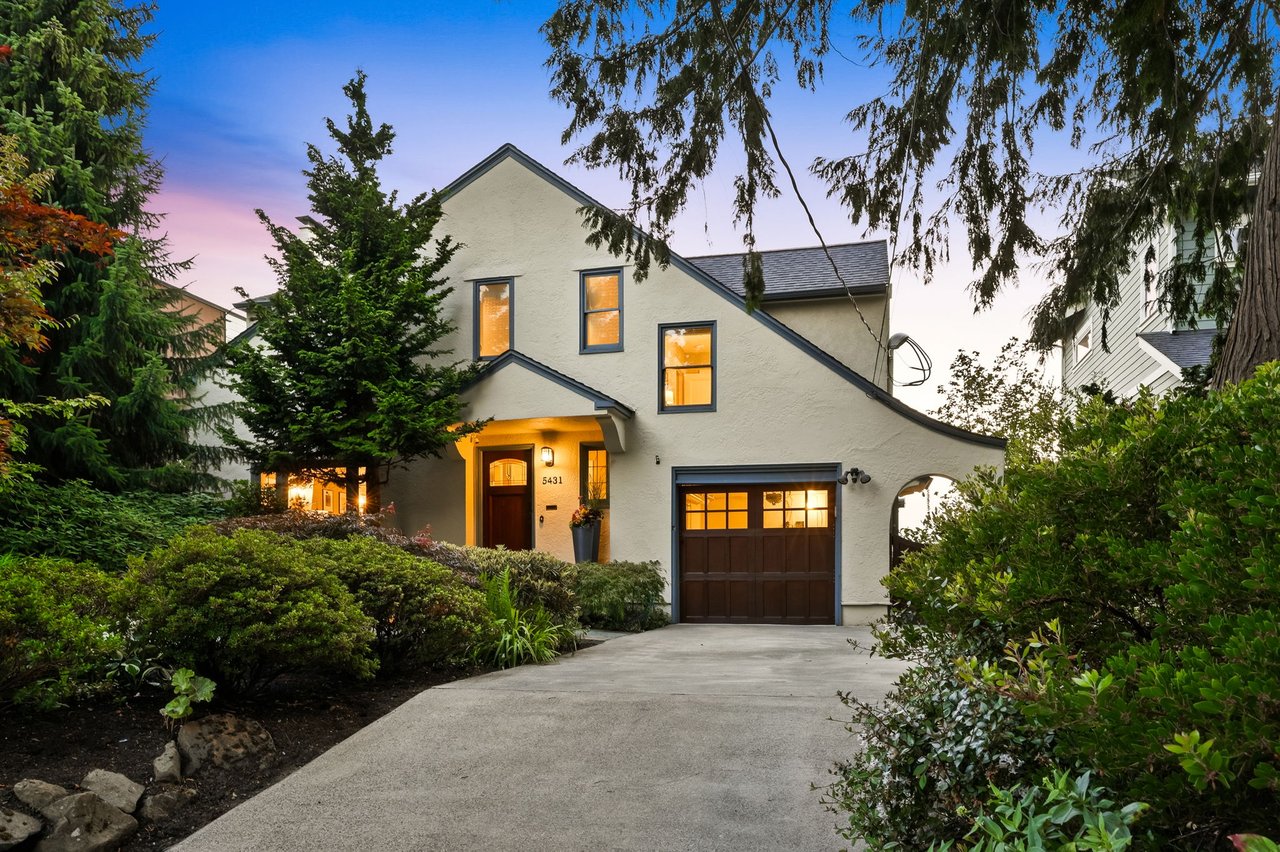
West Seattle, Seaview, West Seattle Neighborhoods, Seattle Real Estate, Neighborhood Guides, West Seattle Homes, Home Buying Tips, Home Selling Tips
Living in Seaview, West Seattle | Walkability, Parks, Views & Homes
Condos
Fannie Mae and Freddie Mac’s new 15% reserve standard could affect HOA dues, conventional financing, condo values, and buyer demand across West Seattle.

West Seattle Real Estate Market Update
Summer trends for West Seattle homes and condos, including pricing, buyer demand, neighborhood insights, and what sellers should know.
We pride ourselves on providing personalized solutions that bring our clients closer to their dream properties and enhance their long-term wealth. Contact us today to discuss all your real estate needs!
The City Team
Beth Britt
(206) 854-4589
[email protected]
Jonn Mcynturff
(206) 227-2772
[email protected]
4445 California Ave SW Seattle WA 98116