Shared Side Sewers in North Admiral: What Sellers Should Know
September 24, 2026
September 24, 2026
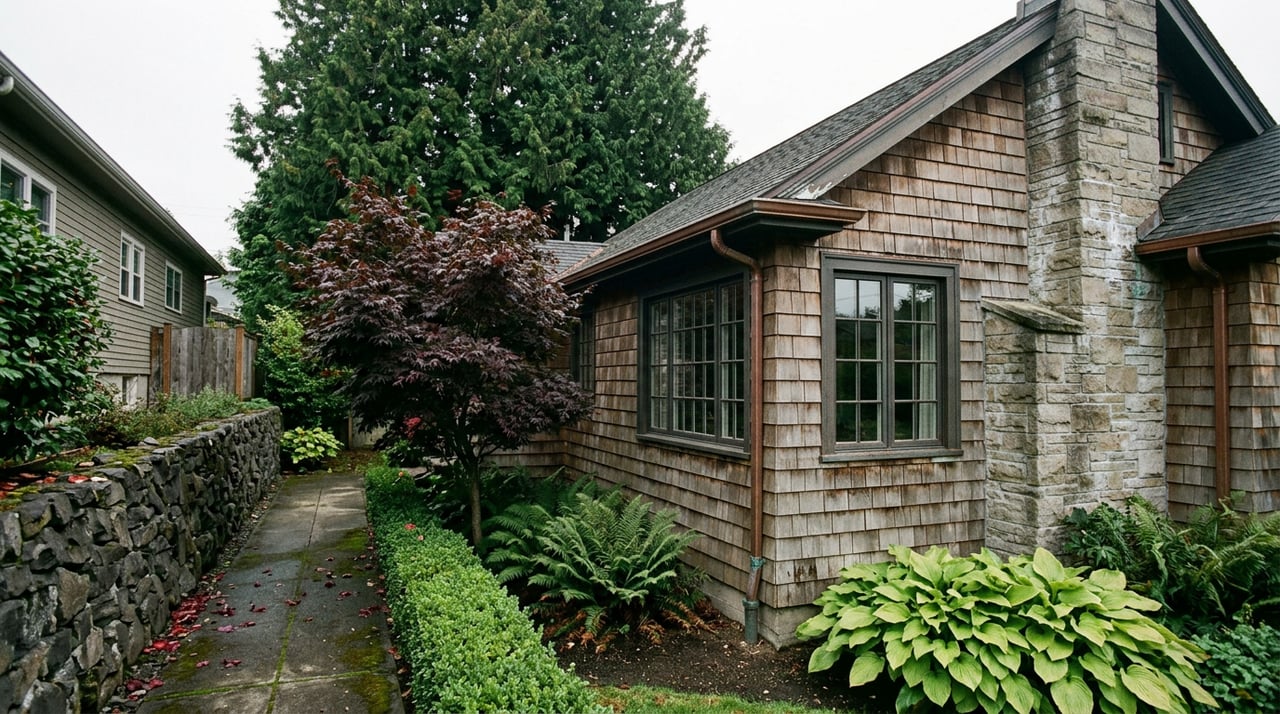
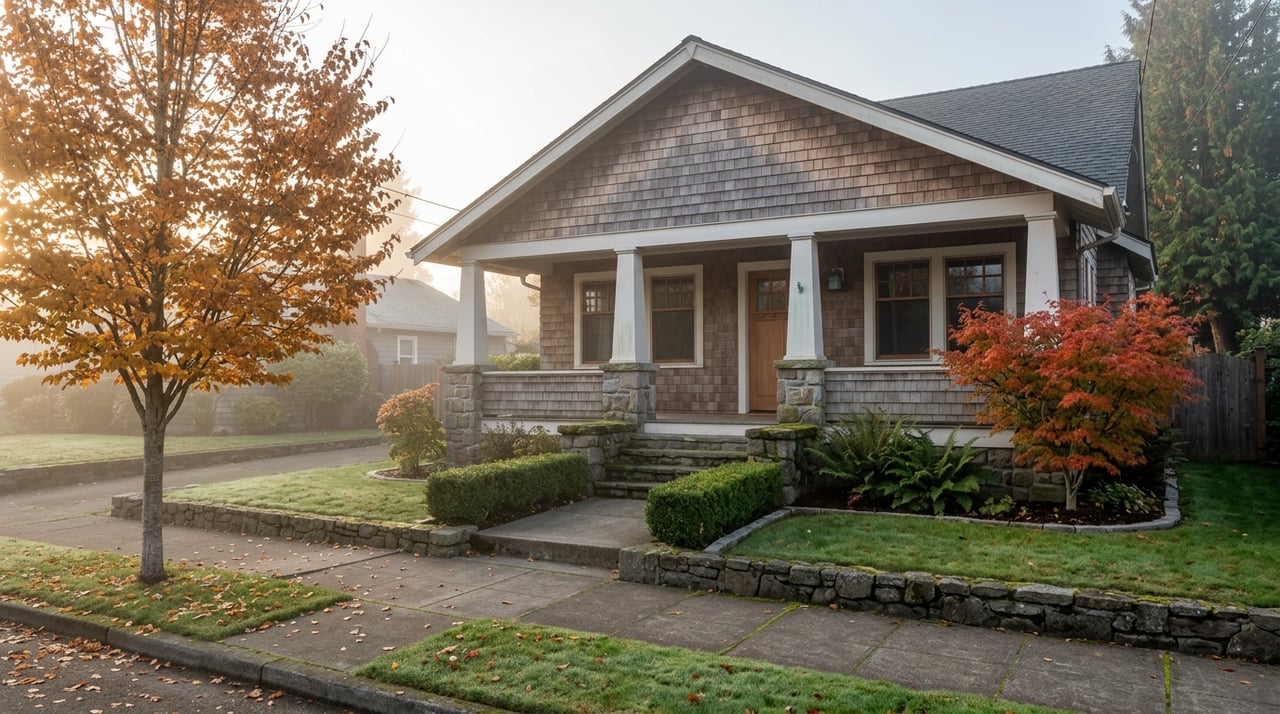
A camera scope on a pre-listing inspection is supposed to confirm the obvious: the pipe runs from the house to the street, and it's in decent shape or it isn't. On some of North Admiral's oldest blocks, the footage takes an unexpected turn. The line leaves the house, crosses under the side yard, and ties into a neighboring property's pipe before the two of them continue on together to the public main. Nobody planned to share a sewer connection with the house next door. The plat did that for them, more than a century ago.
This isn't rare on the older streets north of the Junction, and it rarely comes up until a sale is already in motion. A seller who has lived in a Craftsman or Tudor for twenty years may have no idea their line connects to a neighbor's until an inspector points at a screen and says so.
North Admiral is the oldest platted neighborhood on the West Seattle peninsula, and the reason its lots feel the way they do traces back to a specific real estate decision. In 1885, the West Seattle Land Improvement Company, headed by Uriah R. Neitz and backed largely by San Francisco capital, bought most of what is now the Admiral district and replatted it into 50-by-150-foot residential lots, marketed on the promise of fresh air and views over Elliott Bay. By 1917, the northeast section of that plat had filled in as a solidly middle-class residential neighborhood, mostly single-family houses on those same narrow footprints, according to the historical narrative in the city's Bloss House landmark designation report.
Narrow lots built out under early-1900s plumbing practices are exactly where shared sewer connections tend to concentrate. Running an individual line from every house all the way to the public main was more digging and more cost than running two houses into a single connecting pipe before it hit the street. It was a practical shortcut in 1910. It's a disclosure and liability question in 2026.
Seattle draws a clear line on ownership, then complicates it. If you own your home, you own the side sewer pipe running from your house to the point where it connects to the public main, according to Seattle Public Utilities. Where two properties' pipes combine before reaching that main, everything past the junction point becomes a shared segment, and every owner on it is on the hook together.
Seattle's municipal code doesn't split that responsibility by fault or by whose section actually failed. Chapter 21.16 defines a "Responsible Party" as any owner, operator, or occupant of a connected property, and it establishes joint and several liability for the shared portion of the line. In plain terms, if the shared segment backs up or collapses, either connected household can be held fully responsible for the repair, regardless of which yard the break happens to be under.
The paper trail on these connections is uneven, and that's the part that catches people off guard mid-transaction. SPU's side sewer defects and easement guidance explains that a shared line may have an easement recorded at the time of installation, spelling out access rights and maintenance responsibility, and that document stays attached to the property title even after decades of ownership changes. It also notes plainly that many of the older records were never digitized, so a house built in the 1910s or 1920s may have no searchable agreement at all.
That leaves two very different situations that look identical from the street. One home has a recorded easement that settles the question before it's ever asked. The other has nothing on file, just an informal understanding between neighbors that has never been tested, and that understanding tends to unravel fast once an inspection period clock starts running.
A few things are worth doing before a North Admiral listing goes live, not after an offer is already in hand:
Anyone relying on older advice about side sewer permits should know the department changed hands. Seattle's side sewer permit guidance says that, as of October 1, 2025, Seattle Public Utilities took over all sanitary and wastewater plan review, side sewer permitting, and side sewer inspections, a function that used to sit with the Seattle Department of Construction and Inspections.
| Before October 1, 2025 | Now | |
|---|---|---|
| Side sewer permitting and plan review | SDCI | SPU |
| Side sewer inspections | SDCI | SPU |
It's a full transfer of authority, not a rebrand of the same office, which matters because plenty of contractor sites and older guides still point homeowners toward SDCI. For anyone coordinating a repair on a shared line ahead of a sale, the working assumption should be SPU from the start.
Here's the part that changes how much any of this should worry a seller. North Admiral itself hasn't slowed down. Over the three months ending in July 2026, the neighborhood's median sale price ran about $1.1 million, up roughly 3 percent from the same period a year earlier, and homes were going pending in about ten and a half days on average, a pace that puts the area's competitiveness score at 85 out of 100.
Seattle as a whole is telling a different story. According to John L. Scott's September 2026 housing update, resale inventory climbed to roughly 4.3 to 4.6 months of supply in August, the first time the market has crossed the four-month threshold since January 2012, more than fourteen years ago. That's the line most agents use to mark a shift from a seller's market to a buyer's market.
Put those two facts together and the sewer question stops being a minor footnote. North Admiral's charm and location still pull in fast offers, but the buyers making those offers now have more comparable homes to look at across the rest of Seattle than they did even a year ago. A closing that stalls for two or three weeks while two households scope a shared line, collect contractor bids, and pull a new SPU permit was a tolerable delay in a market with nowhere else for a buyer to go. It's a much bigger risk when that same buyer can simply keep looking somewhere else in a city sitting on its highest inventory in over a decade. The pipe under the yard was always a shared problem. The cost of discovering it late is what just went up.
How do I find out if my North Admiral home shares a side sewer? Start with SPU's side sewer program, which can pull the property's Side Sewer Card and mapped connection route. A licensed contractor running a camera scope can confirm in person whether the line ties into a neighboring property before it reaches the main.
What happens if the connected neighbor won't participate in a repair? City code holds all connected owners jointly and severally responsible for the shared segment, but the code doesn't resolve a refusal on its own. That's usually where a recorded easement matters most, or where a conversation needs to happen well before a repair becomes urgent rather than during one.
Does this apply to newer construction and condos in North Admiral? Not typically. The shared-line pattern is concentrated in the original 1885 to 1930s single-family plat. More recent construction and multi-unit permitting generally require individually reviewed connections from the start, which is one more reason the era of a home matters as much as its condition.
If you're weighing when to list an older North Admiral home, or trying to read what a shared utility line might mean for your timeline, The City Team has spent years walking sellers through exactly this kind of local detail. Schedule a consultation before you list, not after an inspector finds something you didn't know you were sharing.
This article is general information, not legal, tax or financial advice. Consult a qualified professional about your situation.
Stay up to date on the latest real estate trends.
We pride ourselves on providing personalized solutions that bring our clients closer to their dream properties and enhance their long-term wealth. Contact us today to discuss all your real estate needs!
The City Team
Beth Britt
(206) 854-4589
[email protected]
Jonn Mcynturff
(206) 227-2772
[email protected]
4445 California Ave SW Seattle WA 98116