Living in Alki Seattle: Year-Round Waterfront Life
June 11, 2026
June 11, 2026
If you only know Alki Beach as a sunny summer destination, you are missing the bigger picture. Living near Alki year-round feels less like vacation and more like having a waterfront front row seat to Seattle’s changing seasons. If you are wondering what daily life is really like here beyond the warmest weekends, this guide will help you picture the rhythm, lifestyle, and practical tradeoffs. Let’s dive in.
Alki Beach Park stretches about 2.5 miles along Elliott Bay, from roughly 64th Place SW to Duwamish Head. That long shoreline gives the area a distinctive identity that feels different from many other Seattle neighborhoods.
You are not just living near a park. You are living along a waterfront corridor with a widened path, beach access, picnic tables, restrooms, fire pits, hand-carry boat access, and space that supports everything from quiet morning walks to sunset gatherings. The setting helps Alki feel active and scenic in every season.
At Alki Point, the experience expands beyond the main beach strip. The city describes it as a regional destination park and marine reserve habitat, with activities like kayaking, paddleboarding, whale watching, tide-watching, and sunset viewing. Even when you are not out on the water, the views and shoreline activity become part of daily life.
Summer is when Alki is at its most energetic. Seattle Parks notes that the beach draws joggers, rollerbladers, volleyball players, sunbathers, bicyclists, and strollers, which means the shoreline can feel busy and social, especially on weekends.
If you like an animated neighborhood with lots of movement, summer can be a big part of Alki’s appeal. Walks feel more festive, the beach is full of activity, and the area takes on a destination feel that many residents enjoy.
That also means summer living comes with more foot traffic and a busier atmosphere. For some people, that is part of the charm. For others, it is an important lifestyle consideration when deciding whether a home near the beach is the right fit.
One of the biggest surprises about Alki is that it does not shut down after summer. Seattle Parks specifically describes it as a place for long walks any time of year, and that year-round usability is a big part of what makes the neighborhood appealing.
In the cooler months, the shoreline feels calmer and more residential. You still have the same water views, long walking path, and open sky, but with fewer crowds and a more relaxed pace.
For many residents, this quieter season is when Alki feels most livable. You can enjoy the scenery without the peak-season buzz, and simple routines like an evening walk or a quick stop to watch the light on the bay can become part of everyday life.
Living near Alki means living with Seattle’s maritime climate. NOAA normals for the Seattle area show an average annual temperature of 53.7 degrees, annual precipitation of 39.34 inches, and annual snowfall of 6.3 inches.
The practical takeaway is simple. Summers are typically dry and more active, while late fall and winter are cooler and wetter. November and January are among the wettest months, while July and August are much drier.
That seasonal pattern shapes how you use the neighborhood. In summer, you may spend more time outdoors for longer stretches. In winter, the beach still works well for walks, views, and fresh air, but you will want to be comfortable with gray skies, damp days, and a more bundled-up kind of waterfront lifestyle.
If you are picturing a warm-water beach town, Alki is not that. Seattle Parks lists water temperatures ranging from about 46 to 56 degrees depending on the season.
That matters because the year-round lifestyle here is usually less about swimming and more about enjoying the shoreline in other ways. Think walking, gathering with friends, tide-watching, kayaking, paddleboarding, and simply enjoying the views.
For many buyers, that is actually part of the appeal. Alki offers the beauty and openness of the waterfront without pretending to be something it is not. It is a Pacific Northwest beach experience, and the lifestyle fits that setting.
A lot of buyers ask whether living near Alki makes commuting harder. In practice, Alki has several ways to connect to downtown and the rest of Seattle.
The King County Water Taxi is one of the biggest advantages. West Seattle sailings average about 10 to 15 minutes each way from Seacrest Dock to downtown Seattle, and the service runs on weekdays and weekends. Bikes, pets, and strollers are allowed at no extra charge, which adds flexibility for everyday use.
Transit options also include King County Metro Routes 56 and 57, which serve an Alki stop and downtown Seattle stops. The RapidRide C Line also connects West Seattle’s Alaska Junction with Downtown Seattle and South Lake Union, giving residents more than one transit option depending on where they need to go.
If you drive, the West Seattle Bridge reopened on September 17, 2022, and Spokane Street Swing Bridge restrictions also ended. That restored a direct road connection that makes Alki more workable for people who want waterfront living without giving up access to the rest of the city.
One of Alki’s strengths is that it is not just about one stretch of sand. Living here also means being part of the broader West Seattle network for parks, services, and everyday errands.
Schmitz Preserve Park offers old-growth forest and walking paths, which gives you a very different outdoor experience just a short distance from the shoreline. Lincoln Park adds another layer, with 4.6 miles of walking paths, 3.9 miles of bike trails, and an outdoor heated saltwater pool and bathhouse.
That variety is important. It means your outdoor options are not limited to the waterfront, and it helps explain why West Seattle can feel like a year-round outdoor district rather than a seasonal beach zone.
The Alki Point Healthy Street adds another quality-of-life benefit. The city says the route is open to people walking, rolling, biking, and playing, and closed to pass-through traffic, with traffic-calming features and extra beachside walking and rolling space.
For residents, that supports a more comfortable street environment near the water. Whether you are heading out for a walk, pushing a stroller, biking, or simply enjoying slower-paced beachside movement, the design adds to the neighborhood’s livability.
This matters in a place like Alki because the shoreline is part of daily routine, not just a scenic backdrop. A more people-focused street environment helps the neighborhood function better for full-time living.
Living in Alki does not mean you are isolated from services and errands. The city describes West Seattle Junction as a hub of community life with a walkable, connected lifestyle and a transit-oriented future.
That broader commercial context helps Alki work well as a residential choice. You get the scenic edge and distinctive beach identity, while still having access to the wider West Seattle network for day-to-day needs.
For many buyers, that balance is the key. Alki offers a special waterfront setting, but it still connects to the practical side of everyday living.
Alki tends to make the most sense for buyers who want scenery, outdoor access, and a strong sense of place. If you value water views, long walks, and a neighborhood identity that feels different from the rest of the city, it can be a very compelling option.
It is also a good fit if you are comfortable with Seattle’s cool, damp winter pattern and understand that the beach lifestyle here is more about the shoreline than swimming. The payoff is a year-round setting that feels beautiful, active, and distinctly Pacific Northwest.
If you are weighing Alki against other West Seattle neighborhoods, it helps to think beyond summer. The real question is whether you want your everyday routine shaped by the water in every season.
If that sounds like your kind of lifestyle, working with a team that knows West Seattle block by block can make the search much more focused and less stressful. To talk through Alki, waterfront homes, or the best fit for your goals, connect with The City Team.
Stay up to date on the latest real estate trends.
West Seattle Lifestyle; Seattle Neighborhoods; Local Events
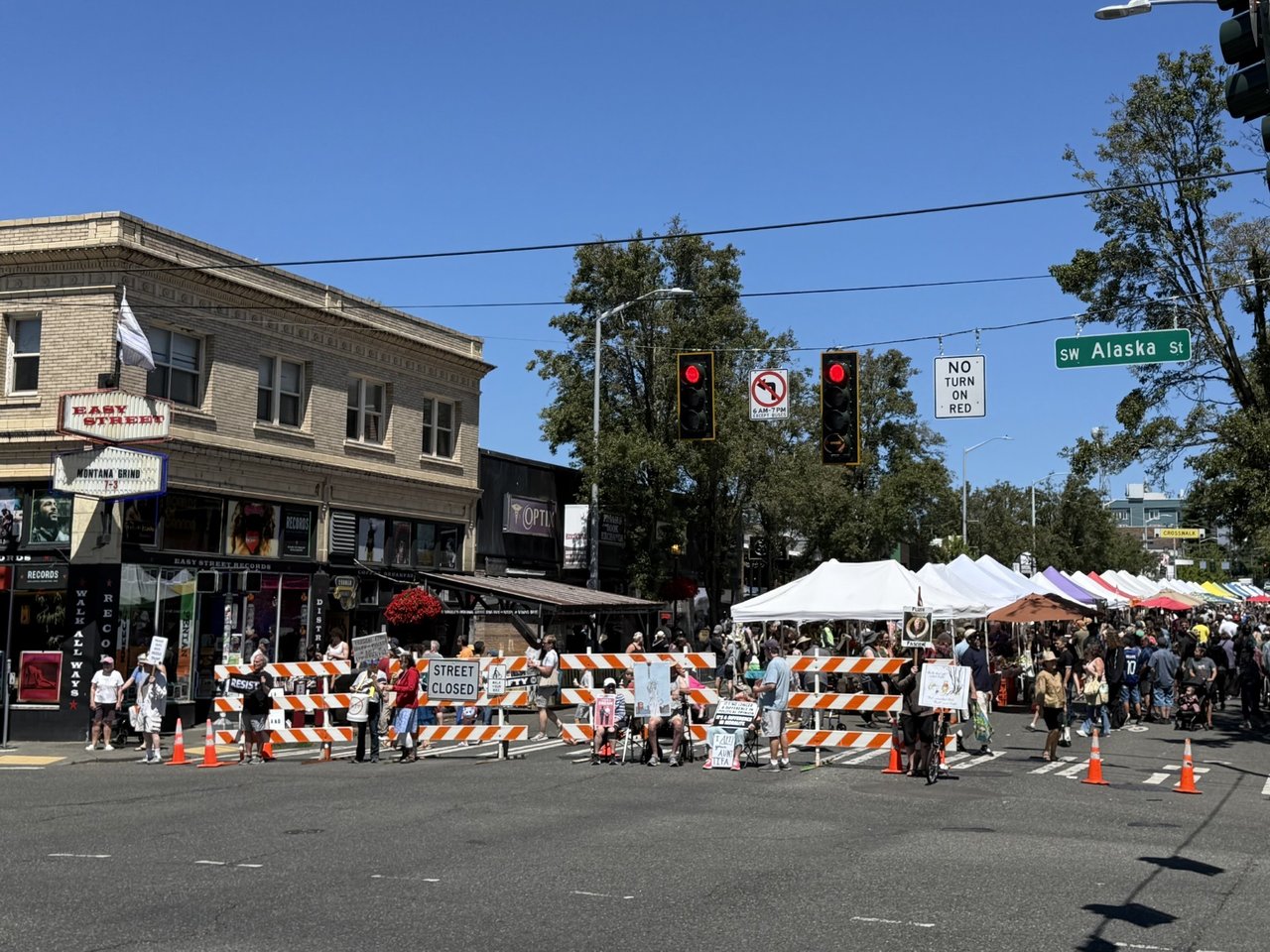
Your local guide to Sunday market finds, Lady Jaye treats, the Sweet Stroll, Art Walk, Wine Walk, and West Seattle Art Tour.
West Seattle, Seaview, West Seattle Neighborhoods, Seattle Real Estate, Neighborhood Guides, West Seattle Homes, Home Buying Tips, Home Selling Tips
Living in Seaview, West Seattle | Walkability, Parks, Views & Homes
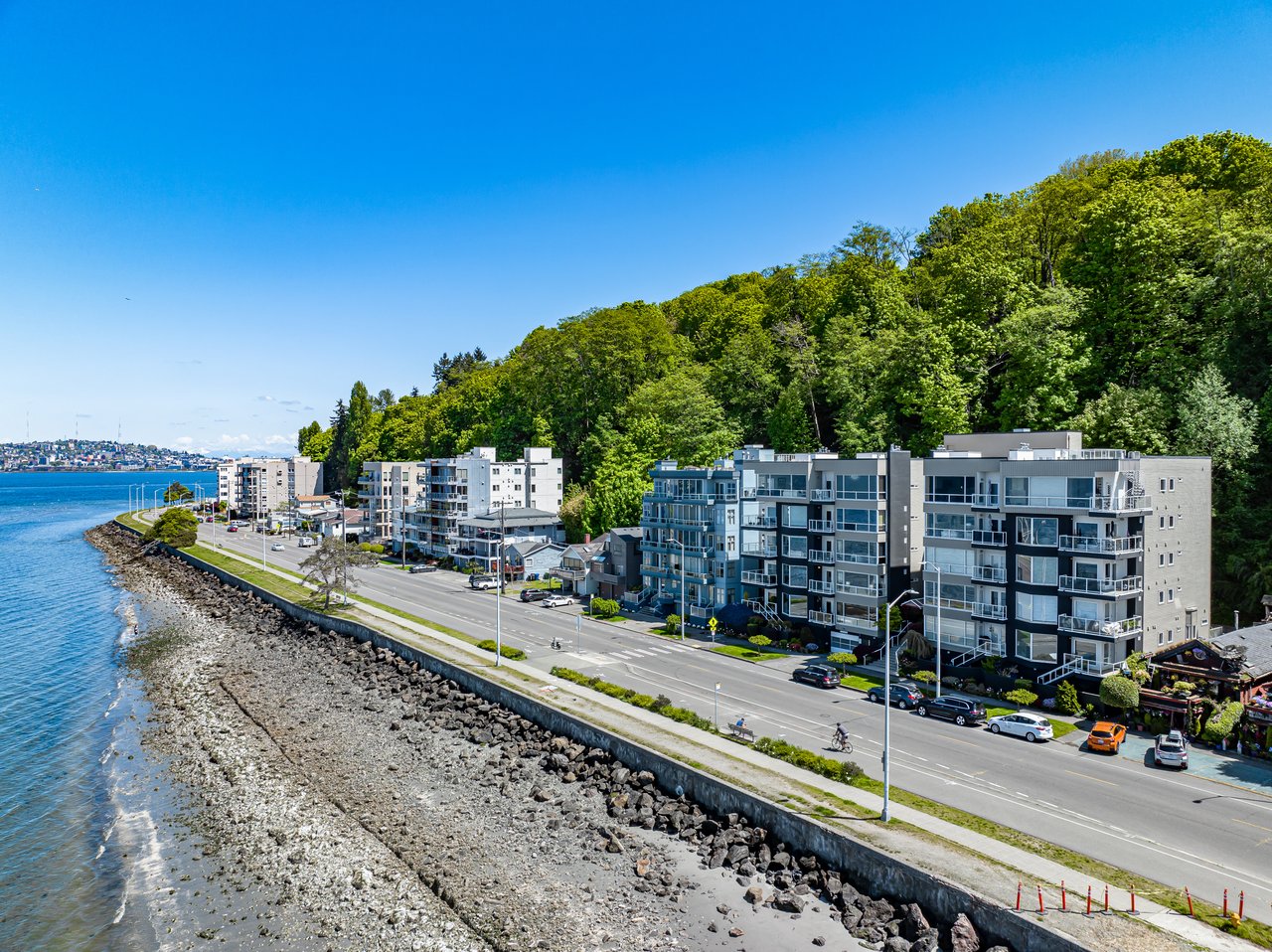
Condos
Fannie Mae and Freddie Mac’s new 15% reserve standard could affect HOA dues, conventional financing, condo values, and buyer demand across West Seattle.
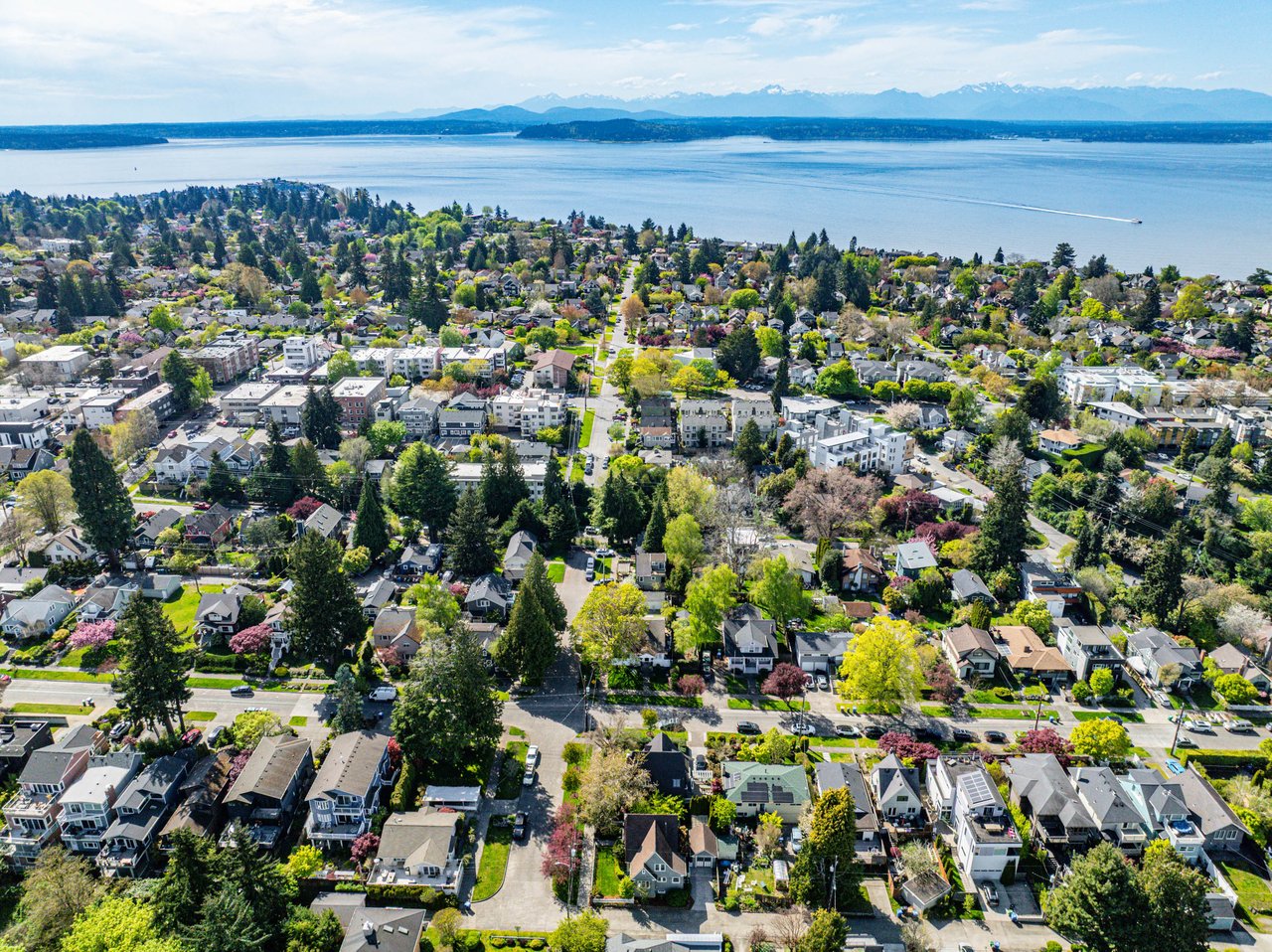
West Seattle Real Estate Market Update
Summer trends for West Seattle homes and condos, including pricing, buyer demand, neighborhood insights, and what sellers should know.
We pride ourselves on providing personalized solutions that bring our clients closer to their dream properties and enhance their long-term wealth. Contact us today to discuss all your real estate needs!
The City Team
Beth Britt
(206) 854-4589
[email protected]
Jonn Mcynturff
(206) 227-2772
[email protected]
4445 California Ave SW Seattle WA 98116